

Most modern pet grooming vacuums are not too loud for cats and anxious dogs when the right model and settings are used. The majority of units on the market operate between 40 and 65 decibels, which sits below the noise level of a standard hairdryer and close to the sound of normal conversation. Th...
READ MORE
Are Pet Grooming Vacuums Too Loud for Cats and Anxious Dogs?
Most modern pet grooming vacuums are not too loud for cats and anxious dogs when the right model and settings are used. The majority of units on the market operate between 40 and 65 decibels, which sits below the noise level of a standard hairdryer and close to the sound of normal conversation. The real risk to a nervous pet is not the decibel number itself, but a sudden burst of unfamiliar sound paired with an unfamiliar sensation on the body. When the device is introduced gradually and the motor is engineered for low vibration, cats and small anxious dogs typically settle within one to three sessions.
How Loud Is a Grooming Vacuum Compared to Everyday Sounds
Decibels are measured on a logarithmic scale, so a jump of just 10dB can feel roughly twice as loud to the ear. This is why comparing a grooming vacuum to familiar household noises gives pet owners a clearer sense of what their animal will actually experience.
| Sound Source | Approximate Noise Level | How a Pet Perceives It |
| Quiet room / whisper | 30dB | No reaction expected |
| Low-noise grooming vacuum (eco mode) | 40 - 48dB | Barely noticeable to most cats |
| Normal human conversation | 55 - 60dB | Comfortable background noise |
| Mid-range grooming vacuum (standard mode) | 55 - 65dB | Tolerable after acclimation |
| Household hairdryer | 70 - 80dB | Common trigger for stress |
| Standard upright vacuum cleaner | 75 - 85dB | Often frightening to cats |
Which Pets Are Most Sensitive to Vacuum Noise
Not every animal reacts the same way to motor sound. Certain traits make a pet more likely to bolt, freeze, or resist grooming altogether.
- Cats have a hearing range that extends far higher than dogs or humans, so high-frequency motor whine bothers them more than the bass hum a person notices.
- Small dog breeds such as Chihuahuas, Pomeranians, and Yorkies startle more easily due to their size relative to the equipment.
- Senior pets with reduced hearing may react less to volume but more to vibration felt through the body of the tool.
- Rescue animals with an unknown history around loud equipment often need a longer, slower introduction period.
- Noise-phobic dogs, including breeds already sensitive to thunderstorms or fireworks, transfer that same fear response to vacuum motors.
Quiet-by-Design Features Worth Checking Before You Buy
Two products can advertise similar suction power yet feel completely different to a nervous pet. The difference usually comes down to internal engineering rather than the motor size alone.
| Design Feature | What It Does | Why It Matters for Anxious Pets |
| Brushless motor | Reduces friction and mechanical rattle | Produces a lower, steadier tone instead of a harsh whine |
| Foam-lined housing | Absorbs internal vibration | Cuts down on buzzing felt through the handle |
| Multi-speed suction dial | Lets the operator start on the lowest setting | Allows a gradual noise ramp-up during first use |
| Extended hose length | Places the motor body away from the pet | Keeps the loudest component farther from sensitive ears |
| Sealed dust canister | Prevents air leakage around the collection cup | Removes the high-pitched whistle common in cheaper units |
Grooming Vacuum and Tool Range
A closer look at grooming equipment built around low-noise operation, ergonomic handling, and coat-safe attachments for both cats and dogs.
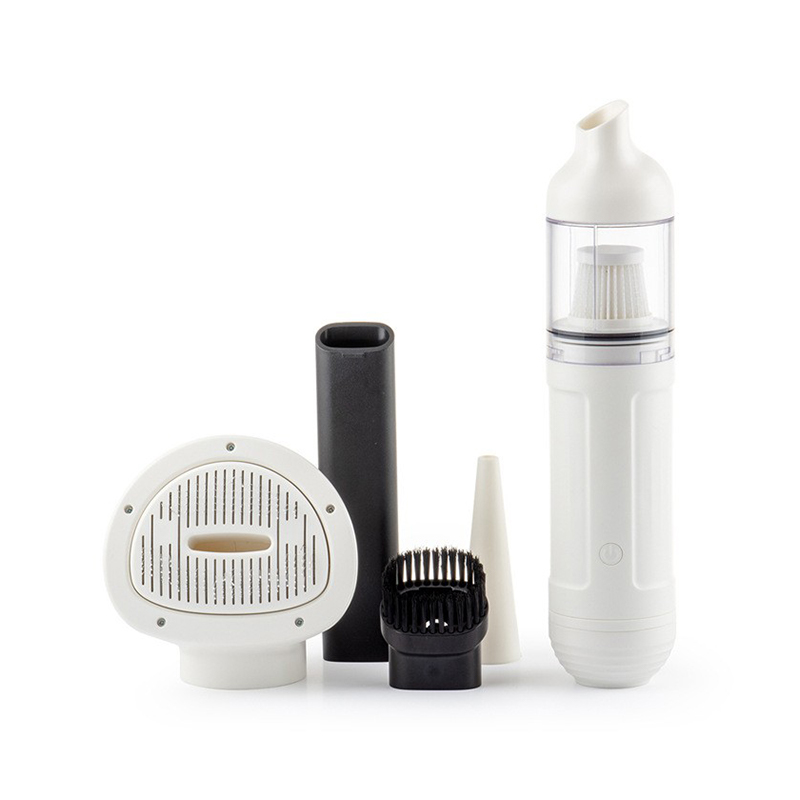
2-in-1 Vacuum & Dryer
Portable Pet Hair Vacuum and Dryer
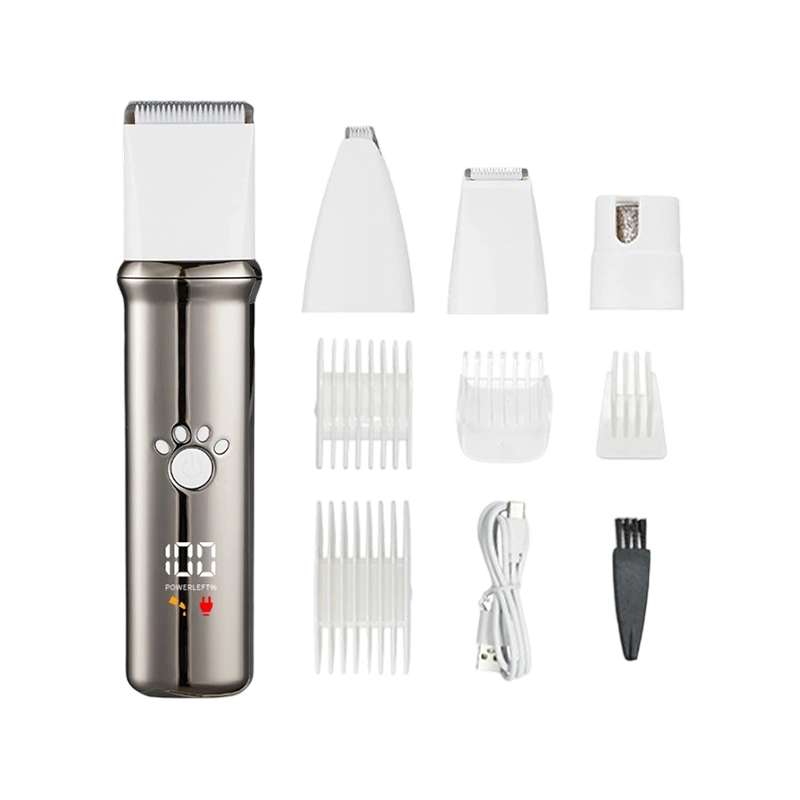
Clipper Kit
Multifunctional Electric Pet Shaver
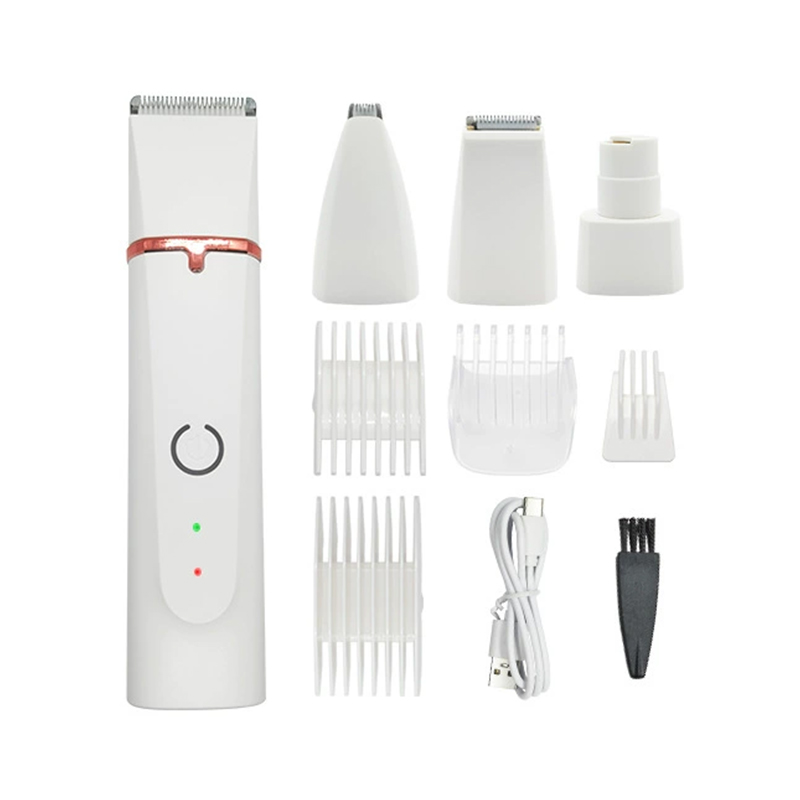
Grooming Kit
Multi-Function Pet Hair Grooming Kit
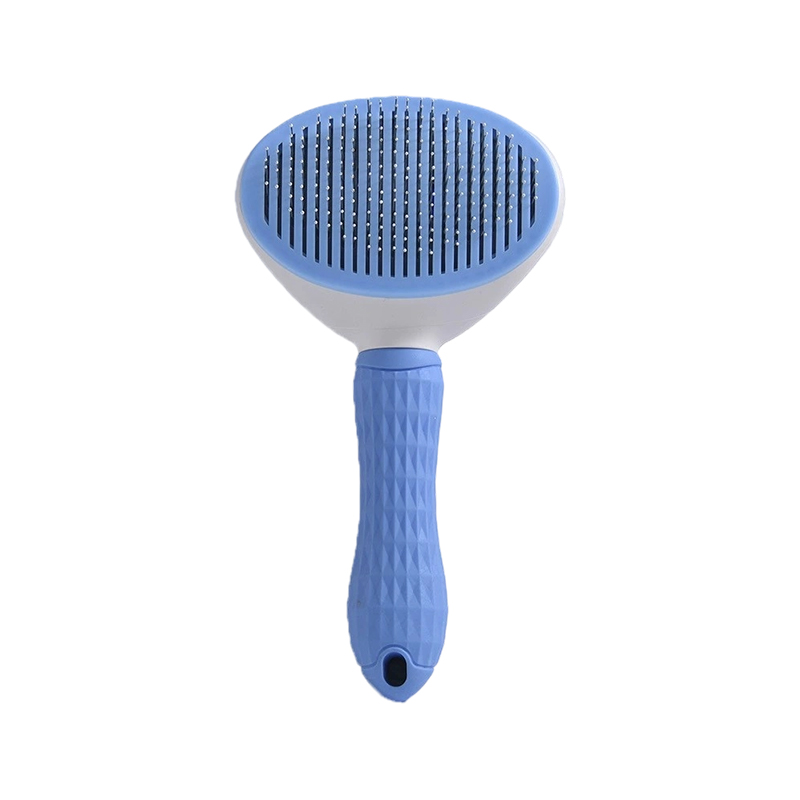
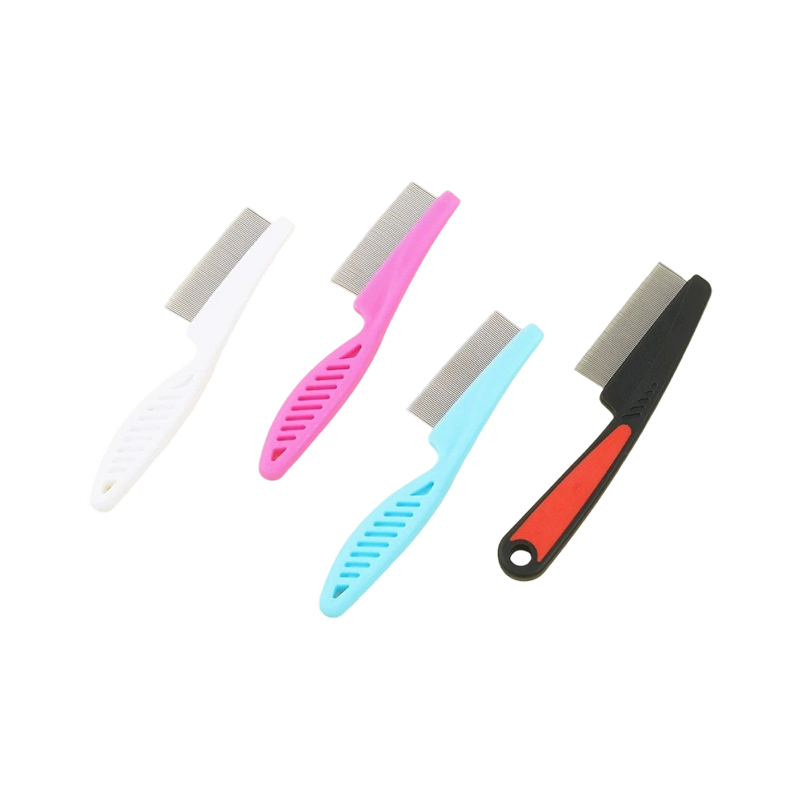
Brush Tool
Self-Cleaning Slicker Brush
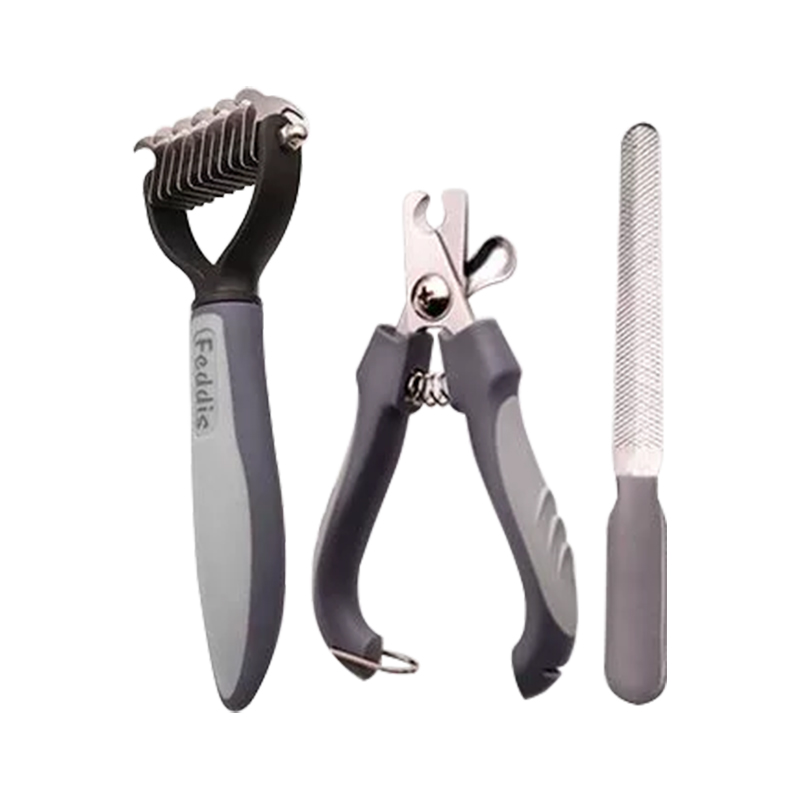
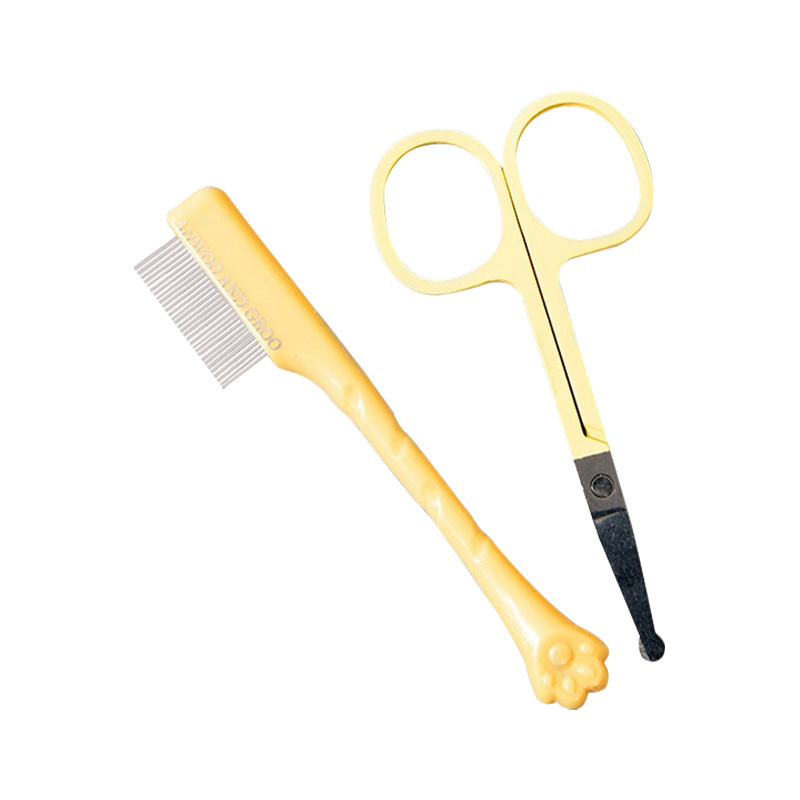
Tool Kit
Stainless Steel Grooming Tool Kit
A Step-by-Step Plan for Introducing a Nervous Pet to the Vacuum
Sudden exposure is the main reason pets panic during their first grooming vacuum session. Spreading the introduction across a few short sessions solves this in almost every case.
| Step | Action | Goal |
| 1 | Place the powered-off unit near the pet's resting area for a day | Remove the fear of an unfamiliar object |
| 2 | Turn it on in another room, out of sight, for a few seconds | Introduce the sound at a distance |
| 3 | Run it on the lowest setting near the pet without touching them | Pair the sound with treats and calm behavior |
| 4 | Touch the brush attachment to the coat while suction stays off | Separate the sensation from the noise |
| 5 | Combine light suction with brushing for 20 to 30 second bursts | Build tolerance for the full grooming routine |
What to Verify When Sourcing Grooming Vacuums from a Manufacturer
Retailers and distributors evaluating a China pet grooming manufacturer for private-label or OEM production should confirm noise performance before committing to a bulk order, since sound levels vary widely across factories using the same suction rating.
- Ask for the tested decibel range at both the lowest and highest suction settings, not just a single averaged figure.
- Request a sample unit from any pet dog cat electric vacuum cleaner line before approving mass production, since motor batches can differ in vibration quality.
- Check whether the factory also produces a smart pet dryer or a smart pet blower on the same production line, as shared engineering teams often carry quiet-motor technology across product categories.
- Confirm the warranty terms and after-sales support offered for OEM or ODM orders, particularly around motor defects.
- Review certification documents such as safety and material test reports rather than relying on marketing claims alone.
Pairing a Grooming Vacuum with Other Calming Tools
For pets who need extra reassurance beyond noise management, a grooming vacuum works well alongside other low-stress accessories. A dog massage roller factory product can be used before a session to relax muscles and build positive association with hands-on touch, while a pet bath bubble machine offers a gentler, low-noise alternative for pets who tolerate water better than motor sound. Rotating these tools into a grooming routine keeps sessions varied and reduces the chance that a pet associates every grooming day with one specific stressor.
Final Takeaway
A grooming vacuum is rarely the villain it is assumed to be. Choosing a unit with a brushless motor, adjustable suction, and a long hose keeps volume in a range most cats and dogs can tolerate, and a short desensitization routine closes the gap for the more anxious ones. For manufacturers and buyers alike, the decibel spec sheet matters just as much as suction power when the goal is a genuinely stress-free grooming experience.
สนใจร่วมมือหรือมีข้อสงสัย?
ข่าว
-
-
A properly built cat climbing frame is stable enough to hold multiple adult cats jumping at once, provided it has a thickened anti-slip base, a high-density board core, and reinforced internal joints. The wobble that owners complain about almost never comes from the cat's weight itself — an averag...
READ MORE -
For most dog breeds, shaving in summer does not help them cool down. In fact, it can increase the risk of heatstroke, sunburn, and skin cancer. A dog's coat provides natural insulation and temperature regulation. The correct approach is regular brushing, moderate trimming, and combining other cooli...
READ MORE


ไม่ว่าคุณจะต้องการผลิตภัณฑ์เฉพาะบุคคลหรือการออกแบบระดับมืออาชีพ ทีมงานของเราจะทำให้ไอเดียของคุณเป็นจริง มาร่วมสร้างโลกที่สัตว์เลี้ยงเจริญเติบโตและมีความสุขไปด้วยกัน!
ข้อมูลการติดต่อ
-
 No.13-1, หมู่บ้านไหโข่ว, เมืองซีเดียน, ประเทศหนิงไห่, หนิงโป, จีน
 -
 +86 13867893287
 -
 [email protected]
หมวดหมู่สินค้า
ลิงค์ด่วน
มือถือ
ลิขสิทธิ์ © Ningbo Welltrop Industrial Products Manufacturing Co., Ltd. สงวนลิขสิทธิ์. ประเทศจีนผู้ผลิตอุปกรณ์สัตว์เลี้ยง โรงงานขายส่งผลิตภัณฑ์สัตว์เลี้ยง
